
Let me ask you something—do you really know what happens between the moment someone hears about your business and when they actually become a paying customer? If the answer is no, that’s completely okay. This is why seeing steady growth in your business can take time—it’s all part of learning the process.
Many business owners share content, post on social media, send emails… but without understanding why people buy, it can feel like trying to hit a target while blindfolded.
This is where the sales funnel can really help. It’s more than a fancy term—it’s a way to see the path your customers follow. From the first spark of interest, through comparing options, all the way to making a decision, the funnel helps you notice each step clearly.
When you understand how a sales funnel works, you stop relying on assumptions and spinning your wheels. Instead, you create a thoughtful path that gently supports people toward buying. You can spot where they pause, notice where they might lose interest, and step in with helpful tips and encouragement at just the right time.
This guide is practical and easy to follow. It will show you how to build a sales funnel from scratch, identify weak spots, and improve each stage so more visitors become loyal customers—not just one-time buyers.
Whether you’re just starting out or have been running your business for years, understanding how a sales funnel works can change the way you think about marketing—and make it feel far more manageable.
Curious to see how everything comes together? Let’s explore it step by step
Table of Contents
Definition of How Do Sales Funnel Work
When we ask, “How do sales funnels work?” we’re really wondering how a business helps people move from first hearing about a product to feeling confident enough to make a purchase.
It’s about noticing the journey a customer takes and thinking about how a business can gently support them at each stage, so they feel guided rather than pushed.
In simple terms, it’s asking: “What happens at each step of this journey, and how can a business help turn curious visitors into happy customers?”
Why Sales Funnels Should Matter to Your Business
A sales funnel is simply a way to understand the journey someone takes—from first hearing about your business to feeling confident enough to make a purchase. It’s not just theory—it’s a practical framework that shows what happens at each stage, so you can better support your potential customers.
Every business has a funnel, whether it’s planned or not. Paying attention to it helps you move away from making decisions without a clear sense of direction. You begin to discover what information, guidance, or support people might need to take the next step.
Without a clear funnel, growth can feel unpredictable. You might attract visitors, but fewer of them turn into customers. A well-understood funnel connects your efforts—like marketing, content, and outreach—to tangible results. It also shows which steps are working well, which could use improvement, and where small adjustments can make a big difference.
A sales funnel matters because every customer follows a path before making a decision. Seeing that path clearly gives you the ability to focus your time, energy, and resources on the things that truly help people move forward. Whether you’re running a small local shop or a growing global brand, understanding your funnel helps you make your business more helpful, effective, and rewarding for both you and your customers.

How Sales Funnels Guide Your Customer’s Journey in Real Life
A sales funnel is a helpful way to understand how potential customers interact with your business at each stage. It shows how a business can gently guide people along their journey, turning individual steps into a thoughtful process that naturally leads to a purchase.
In the first stage, customers are exploring. They’re trying to understand what your business does and how it can help them. Your role is to offer value through blogs, ads, videos, or other content that clearly explains how you can help.
In the middle stage, customers are evaluating options. They’re comparing and assessing what you offer against other choices. This is where case studies, testimonials, and comparison pages can be especially helpful in answering their questions and building confidence.
In the final stage, customers are ready to make a decision. They need clear pricing, reassurance that your solution works, and an easy, smooth purchase process.
Without a sales funnel, your communications can feel disconnected. You might try to sell too early or overwhelm someone with details before they’re ready. A sales funnel helps your messaging match the customer’s mindset at each step, gently moving them closer to a decision.
Therefore a sales funnel is about creating a structured, thoughtful approach rather than a scattered one. It helps you know what to share, when to share it, and why it matters—making your efforts more effective and improving outcomes for your business and your customers.
Key Factors That Make a Sales Funnel Convert at a High Rate
A thoughtfully structured sales funnel works consistently because every part considers the customer’s perspective. To make this happen, it helps to focus on the key factors that gently support someone along their journey toward a decision:
- Offer – Make sure your product or service genuinely solves a problem. The value should match what your audience truly needs. Even the best messaging won’t work if the offer isn’t aligned.
- Messaging – Communicate clearly and thoughtfully. Explain benefits in simple terms, provide supporting evidence, and avoid confusion. Each message should help the customer feel more confident about the next step.
- Proof – Share real, verifiable evidence. Customer reviews, testimonials, and performance results build credibility and reduce hesitation.
- Ease – Make every step as simple as possible. Streamline forms, clicks, and interactions so the path to purchase feels smooth and effortless.
- Trust – Build confidence from the start. Show secure payment options, transparent refund policies, and clear ways to reach you.
- Urgency – Use time-sensitive offers thoughtfully. Genuine urgency can help people decide faster, but overdoing it can feel pushy and damage trust.
- Follow-up – Reconnect gently with those who step away. Automated emails and friendly reminders can help recover interest and keep momentum.
Small improvements in clarity, design, or process can make a meaningful difference in conversion. A sales funnel isn’t just a path—it’s a carefully shaped framework that helps intentions turn into real results, supporting both your business and the people you serve.
Common Funnel Failures and How to Fix Them
Sales funnels can struggle when one stage doesn’t flow smoothly into the next. Getting to know how a sales funnel works to support your customer’s journey helps you gently identify gaps that might slow progress and affect conversions.
Common Issues and Solutions:
Wrong audience – Attracting people who have no interest in your product lowers conversion rates. Solve this by refining targeting and clarifying messaging to reach the right prospects.
Weak nurturing – Leads lose interest when follow-up is absent or irrelevant. Address this by delivering helpful, consistent content through emails, messages, or retargeting campaigns.
Complex checkout – Long forms, unclear pricing, or confusing steps discourage purchases. Fix this by simplifying the process and displaying costs clearly.
Lack of proof – Missing testimonials, reviews, or guarantees create uncertainty. Add verifiable social proof and transparent policies to build confidence.
No retention strategy – Customers make a single purchase and never return. Implement loyalty programs, regular updates, or educational content to retain engagement.
Regularly review your funnel to identify drop-off points. Use analytics to monitor behavior, test improvements, and optimize each stage to increase conversions.
How to Tell If Your Sales Funnel Is Actually Working
A sales funnel is working well when you can see consistent progress at each stage. By paying attention to simple key metrics, you can quietly check how effectively it’s helping your customers move forward and supporting your business goals.
Key Performance Indicators (KPIs):
- Conversion Rate – The percentage of people who move from one stage to the next.
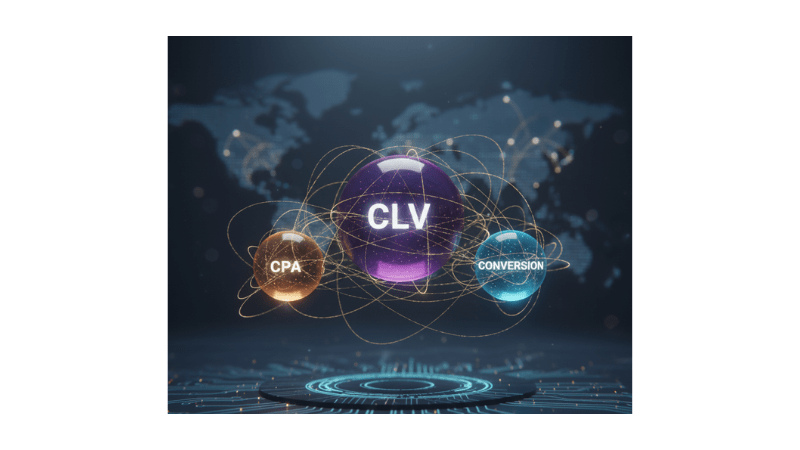
- Cost per Acquisition (CPA) – The amount spent to acquire a single customer.
- Lead-to-Customer Ratio – The proportion of leads that convert into paying customers.
- Customer Lifetime Value (CLV) – The average revenue generated by a customer over their relationship with your business.
- Email Engagement – Open and click-through rates indicate the effectiveness of nurturing campaigns.
Recommended Tools:
- Google Analytics – Monitors user behavior and conversion paths.
- Hotjar – Identifies where users interact or drop off.
- HubSpot or ConvertKit – Tracks email engagement and lead performance.
Combine quantitative data with direct feedback. Ask new customers why they purchased or what almost prevented them from buying. Metrics indicate performance; feedback explains the reasons behind the results.
A properly structured funnel is predictable. You should be able to estimate the number of visitors required to meet sales targets and clearly see how a sales funnel guides the customer’s journey from first interaction to purchase.
The Role of Content in Driving Funnel Success
Content is the primary tool for guiding potential customers through every stage of a sales funnel. Understanding how a sales funnel works to manage your customer’s journey allows you to align content strategically at each stage.
Top Stage (Awareness): Provide blogs, short videos, and guides that explain the problem and demonstrate your expertise.
Middle Stage (Consideration): Offer case studies, webinars, or comparison charts that highlight value, credibility, and differentiation.
Bottom Stage (Decision): Present sales pages, product demos, and testimonials to support the customer’s final choice.
Post-Purchase (Retention): Send onboarding emails, tutorials, and newsletters to maintain engagement and encourage repeat purchases.
Every piece of content should address the customer’s needs at that specific stage. Avoid trying to sell to someone who is still learning, and don’t over-explain when they are ready to make a decision. Content must align with intent.
When executed correctly, content moves customers through the funnel efficiently while establishing trust, clarity, and confidence in your brand.
Can Every Business Benefit from a Sales Funnel?
Yes. A sales funnel is a structured process that guides potential customers from awareness to purchase. Every business follows this path in some form. Understanding how a sales funnel works to manage your customer’s journey allows you to design each stage deliberately.
Examples by Business Type:
- Local Business: Search → Website visit → Call or in-person visit → Purchase → Review or referral
- E-commerce Store: Ad → Product page → Cart → Checkout → Follow-up email
- Coach or Consultant: Lead magnet → Discovery call → Proposal → Onboarding
- SaaS Company: Blog → Free trial → Demo → Paid plan → Retention emails
While the funnel structure remains consistent, the content, tools, and tactics vary by industry.
The important question isn’t whether your business needs a funnel—it’s whether your funnel has been thoughtfully planned. A carefully planned funnel lets you track progress, improve each stage, and see clearly how it walks with your customer’s journey. Without this planning, outcomes can feel uncertain and harder to predict.
The Future of Sales Funnels in an AI-Driven World
Artificial intelligence is transforming how sales funnels are designed and managed. AI enables businesses to personalize communication, automate repetitive tasks, and clearly track how a sales funnel guides the customer path.
Key Developments:
- Personalized Experiences: AI analyzes user behavior to deliver content or offers tailored to individual preferences.
- Chatbots: Automated chat systems provide instant answers and guide users to the appropriate next step.
- Predictive Analytics: AI identifies leads with the highest likelihood of converting.
- Automated Nurturing: Emails, follow-ups, and reminders can be scheduled and managed automatically.
- A/B Testing at Scale: AI tests multiple versions of pages or messages and implements the best-performing option efficiently.
AI improves efficiency and scalability, but it does not replace human strategy. Businesses must still define audience needs, craft precise messaging, and design intuitive user experiences.
The future of sales funnels combines automation, personalization, and data-driven decision-making to maximize conversions and optimize results across every stage of the customer path.

Reflection on How do Sales Funnel Work
A sales funnel is not a temporary notion; it is a fundamental framework that explains how interest converts into action. Analyzing how a sales funnel works to direct the customer process provides insight into customer needs at every stage. This knowledge allows you to identify weak points, influence decisions, and plan growth using data rather than unverified conclusions.
Whether you are launching a business or scaling operations, a well-organized funnel transforms marketing efforts into measurable results. Every business benefits from tracking how customers progress—from initial contact to purchase and beyond.
FAQs on How do Sales Funnel Work
1. How do Sales Funnel Work When Leads Drop Off at the First Stage?
If leads leave immediately, it usually means the top of your funnel isn’t capturing attention effectively. To fix this:
Audit your traffic sources – Ensure your ads or content are reaching the right audience. Target too broadly and unqualified leads will drop off.
Strengthen your lead magnet – Offer something valuable that solves a clear problem for the visitor. Free resources, guides, or templates work well.
Improve messaging clarity – Communicate the benefit immediately. Headline, subheadline, and call-to-action must align.
Test landing pages – Use A/B testing for headlines, CTA buttons, and visuals to see what keeps leads engaged.
Key takeaway: Solve the problem by matching the audience, the offer, and the messaging. Fix all three and the drop-off rate drops.
2. How do Sales Funnel Work for Small Businesses with Limited Traffic?
Small traffic can feel discouraging, but you can still build a functional funnel:
Focus on high-quality leads – Targeting a smaller, highly relevant audience works better than a large but unqualified one.
Maximize engagement – Personalize follow-up emails, direct outreach, or small webinars to nurture each lead.
Start simple – One landing page, one lead magnet, one email sequence is enough. Complexity comes later.
Measure conversions, not clicks – Track each lead through the funnel to know where improvements are needed.
Key takeaway: Even limited traffic can convert if you nurture it carefully and focus on quality over quantity.
3. How do Sales Funnel Work for eCommerce Stores with Multiple Products?
Multiple products can confuse your funnel. Here’s how to make it effective:
Segment products – Build separate funnels for key products or product categories.
Use cross-sells and upsells wisely – Only show relevant offers to avoid overwhelming customers.
Focus on one product first – Optimize its funnel before expanding to others.
Track performance per funnel – Know which products generate the best ROI and engagement.
Key takeaway: Avoid mixing all products in one funnel; segmentation and staged offers improve conversions.
4. How do Sales Funnel Work When My Ads Bring Irrelevant Visitors?
Irrelevant traffic wastes resources. Fix it like this:
Refine ad targeting – Use demographics, interests, and behavior to attract the right audience.
Match ad copy to landing page – Visitors expect what your ad promises; mismatches cause drop-offs.
Segment traffic – Different types of visitors may need different funnels.
Monitor and adjust – Pause underperforming campaigns quickly.
Key takeaway: Traffic quality is more important than quantity. Only target people likely to convert.
5. How do Sales Funnel Work if Customers Skip Steps in the Funnel?
Skipping steps is normal, but you can prevent lost opportunities:
Identify skipped steps – Track email opens, click-throughs, and page visits to see where they leave.
Provide flexible options – Include multiple paths to conversion (CTA buttons in multiple locations, direct checkout links).
Reinforce missed steps – Use retargeting or follow-up emails to deliver content skipped initially.
Simplify essential steps – Only include steps that truly add value.
Key takeaway: Funnels must accommodate real behavior but still guide leads to complete the process.
6. How do Sales Funnel Work When You See Clicks but No Sales?
Clicks without conversions mean visitors are interested but not convinced. Fix it:
Audit landing pages – Check for confusing layouts, slow load times, or unclear CTAs.
Build trust – Use reviews, testimonials, guarantees, and transparent pricing.
Qualify traffic – Ensure your ads target people with purchase intent, not just curiosity.
Test offers – Try different pricing, bundles, or limited-time promotions.
Key takeaway: High clicks don’t equal conversions. Solve the problem by aligning traffic quality, messaging, and trust.
7. How do Sales Funnel Work for B2B Businesses with Long Sales Cycles?
Long cycles require patience and structured nurturing:
Map each stage – Awareness, interest, evaluation, decision. Track leads at each step.
Automate follow-ups – Use CRM to send reminders, content, and demos automatically.
Provide valuable content – Case studies, whitepapers, and webinars build trust.
Measure engagement over time – Don’t judge success by immediate conversions.
Key takeaway: Funnels are long-term in B2B. Focus on nurturing and tracking, not immediate sales.
8. How do Sales Funnel Work if You Have Multiple Lead Magnets?
Multiple lead magnets can confuse your funnel if unmanaged:
Assign lead magnets to specific funnels – Each should target a different audience need.
Use targeted follow-ups – Each magnet should trigger its own email or retargeting sequence.
Test performance – Track which magnets bring qualified leads and prioritize them.
Avoid overlap – Don’t bombard leads with unrelated content from other magnets.
Key takeaway: Organized lead magnets improve lead quality. Random or multiple magnets without tracking dilute results.
9. How do Sales Funnel Work When You Only Focus on Top-of-Funnel Traffic?
Focusing solely on awareness leads to wasted opportunities:
Don’t ignore nurturing – Use emails, retargeting ads, or content to move leads down the funnel.
Provide clear next steps – Every top-of-funnel interaction should guide leads toward action.
Segment by intent – Tailor messages for visitors who are ready to buy vs those exploring.
Track conversions at every stage – Top-of-funnel activity is meaningless without downstream metrics.
Key takeaway: Awareness alone doesn’t generate sales. Optimize the entire funnel, not just the start.
Read Them Before You Make Your Next Decision
