
In the age of on-demand everything, reaching your audience at the perfect moment can be the difference between a sale and a missed opportunity. SMS marketing offers a direct line to your customers’ attention, but doing it well requires more than just sending messages. If you jump in without a strategy, it’s easy to overwhelm your audience, get ignored, or even drive people away.
That’s where following SMS marketing best practices comes in. By focusing on the essential aspects of SMS marketing, you increase the chances that your messages are not just read but inspire action. For someone just starting out, it can feel daunting—figuring out the best time to send, crafting the content, and deciding on frequency all at once. But learning these basics early helps you avoid common pitfalls, such as sending too many messages, turning off subscribers, or neglecting to check your results.
Careful planning can turn SMS marketing into a highly impactful strategy for your brand. It’s more than simply promoting products or services—it’s about building relationships, delivering meaningful value, and creating a positive experience for the people on your list. The most successful approach is to start small, stay consistent while monitoring results, and focus on what works. By keeping your messages short, personal, and sent at the ideal moment, even newcomers can create campaigns that feel polished and professional, while enhancing real engagement and measurable outcomes.
However, these are not the only practices you need to know. To reach your objectives in the shortest possible time, it’s important to be aware of all SMS marketing best practices. So, in the following section, we present 100 unique best practices to help you achieve your marketing goals.
Table of Contents
Understanding SMS Marketing Best Practices
SMS marketing best practices are the proven strategies and guidelines that businesses follow to send text messages to customers in a way that is effective, engaging, and respectful. These practices help ensure that messages reach the right audience at the right time, provide value, avoid overwhelming or annoying recipients, and ultimately drive engagement, sales, and customer loyalty.
Quick-to-Implement SMS Marketing Best Practices for Maximum Impact
Reaching your audience successfully doesn’t have to be complicated. These quick-to-implement SMS marketing practices help you create meaningful interactions and deliver value for your brand.
A. SMS Marketing Best Practices for Strategy & Planning
Across the busy terrain of modern digital marketing, SMS remains one of the most immediate and personal ways to reach your audience. Its true impact, however, relies on more than just sending messages it requires careful thought, precise timing, and a clear sense of purpose. Unlike other channels, SMS demands brevity and relevance, leaving little room for generic or ill-timed outreach.
That makes planning and strategy absolutely essential: knowing your audience, tailoring content to their behaviour, and integrating messages with wider campaigns can turn a simple text into a meaningful touchpoint. The following sms marketing best practices provides a clear roadmap for using SMS effectively, ensuring your messages are timely, considered, and genuinely valuable rather than intrusive.
- Define a clear SMS marketing goal before sending anything.
- Segment contacts based on behavior, location, and interests.
- Create separate campaigns for new vs. returning customers.
- Use SMS for time-sensitive messages, not generic marketing.
- Align SMS with email and social campaigns for consistency.
- Map out customer journeys where SMS adds value.
- Offer different SMS lists (promos, updates, VIP, alerts).
- Avoid overlapping SMS and email sends on the same day.
- Build campaigns around major seasonal events.
- Track performance weekly—not just monthly.
B. SMS Marketing Best Practices for Compliance & Consent
When it comes to SMS marketing, it isn’t just about reaching people—it’s about doing so respectfully and legally. Sending messages without proper consent or clarity can quickly erode trust, damage your brand, and even land you in hot water with regulators. SMS is a personal channel, and your audience expects transparency, honesty, and control over what they receive.
By taking the time to secure consent, follow the rules, and make opting out simple, you’re not just ticking boxes—you’re building credibility and showing that you value your customers’ privacy. The following best practices outline how to stay compliant while keeping your messages trustworthy and well-received.
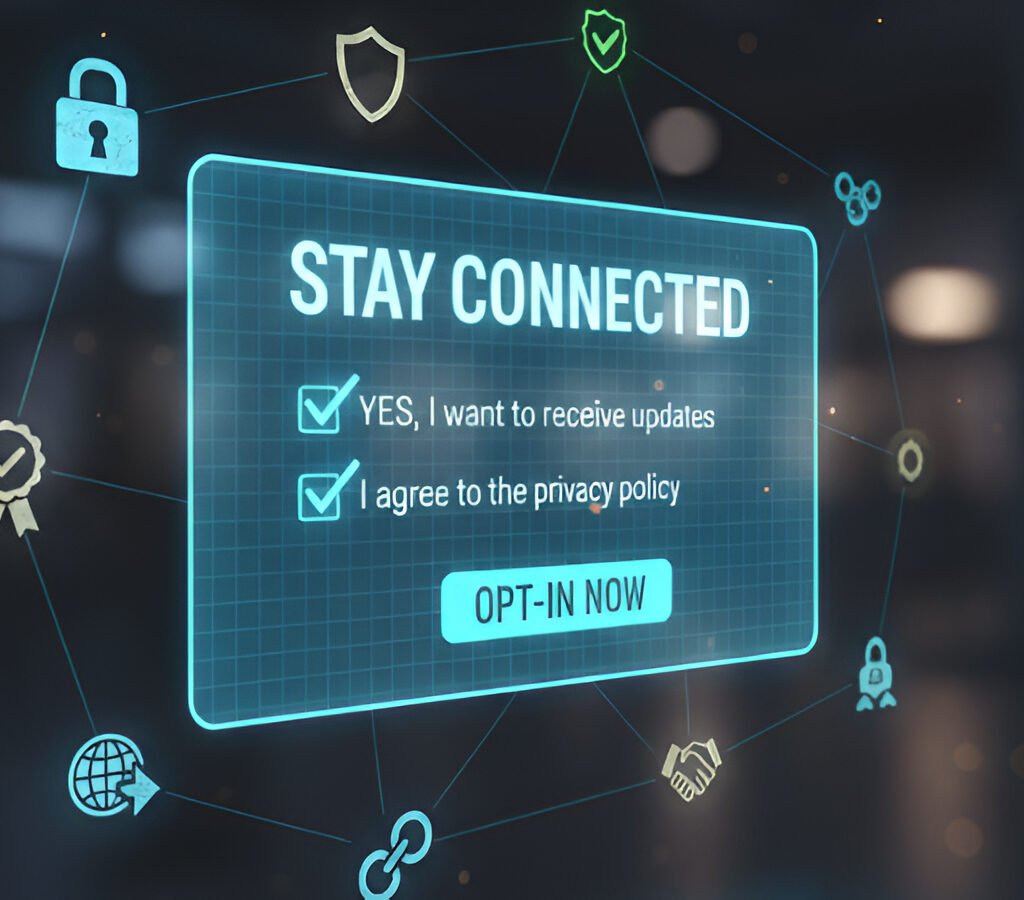
- Always use explicit opt-in (never purchase lists).
- Display clear terms of service on your sign-up form.
- Provide easy opt-out instructions in every SMS.
- Confirm opt-in with a double opt-in message.
- Store subscriber consent data securely.
- Respect time-zone restrictions when sending texts.
- Never send sensitive or personal data via SMS.
- Avoid misleading language or false urgency.
- Follow your region’s messaging regulations (TCPA/GDPR).
- Honor opt-out requests immediately.
C. SMS Marketing Best Practices for Timing & Frequency
Timing and frequency can make or break an SMS campaign. Send a message at the wrong moment, too often, or too sparsely, and even your most interested customers can quickly lose patience. Unlike email, SMS arrives directly in someone’s pocket, which means every text needs to feel considerate and carefully scheduled. Striking the right balance—knowing when to nudge, when to pause, and how often to reach out—keeps your messages welcome rather than intrusive.
The outlined sms marketing best practices features how to schedule, space, and optimise your SMS campaigns so that every message hits the right note at exactly the right moment.
- Find the best sending times through A/B testing.
- Avoid early mornings or late-night messages.
- Limit promotional messages to 4–8 per month.
- Send reminders 24 hours before an event or deadline.
- Use drip sequences for nurturing new subscribers.
- Space out messages for multi-day promotions.
- Use time-zone optimized campaigns.
- Pause automated SMS during emergencies or major events.
- Re-engage inactive subscribers minimally.
- Avoid sending multiple messages within an hour.
D. SMS Marketing Best Practices for Personalization
People respond to messages that feel made just for them. In SMS marketing, a generic approach rarely works—customers can tell when a message is impersonal or mass-sent. By personalising your messages, you’re not only showing that you know and value your audience, but you’re also making each interaction more relevant and engaging.
Whether it’s using someone’s name, referencing past purchases, or sending offers that suit their location or special occasions, personalisation turns ordinary messages into meaningful connections. The following best practices guide you on how to make every SMS feel individual, thoughtful, and genuinely useful.
- Use the subscriber’s first name.
- Personalize offers based on past purchases.
- Adjust content based on customer behavior.
- Use local references for geographic targeting.
- Tailor SMS to birthday or anniversary dates.
- Send custom recommendations based on browsing.
- Use dynamic fields for loyalty points updates.
- Personalize follow-ups after customer service interactions.
- Create VIP-only SMS lists.
- Send location-based offers for nearby store visits.
E. SMS Marketing Best Practices for Content & Copywriting
Words matter, perhaps even more so in SMS than in any other channel. With only a few lines to get your point across, every word needs to count, capture attention, and spark action. Clumsy phrasing, jargon, or vague messaging can turn an otherwise interested customer away in an instant. Writing for SMS isn’t about being showy or overcomplicated; it’s about keeping it simple, direct, and compelling while still sounding human. Having sms marketing best practices points how to craft messages that are sharp, engaging, and effective—making each SMS feel purposeful rather than just another notification.
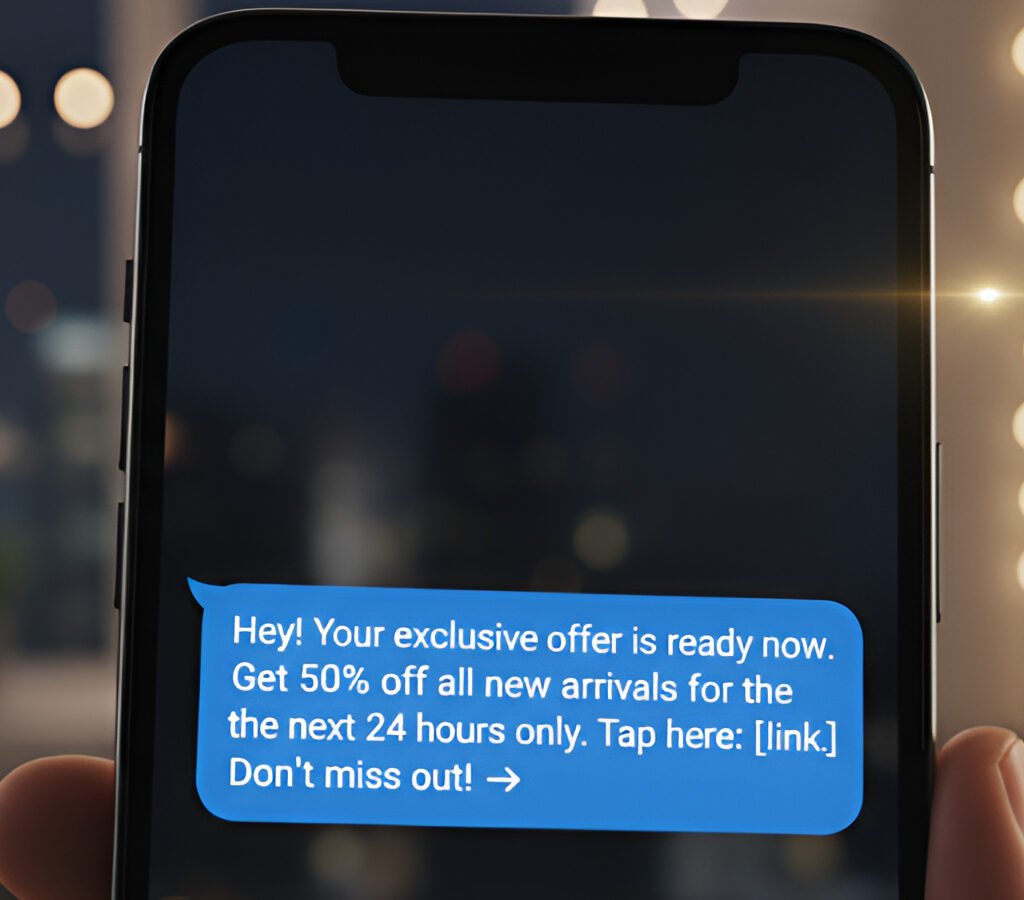
- Keep messages under 160 characters.
- Use clear, simple, and direct language.
- Put the most important info in the first sentence.
- Use urgency sparingly.
- Include a clear call-to-action (CTA).
- Use branded links for trust.
- Add value in every message (discount, tip, update).
- Avoid using all caps and excessive punctuation.
- Make instructions short and actionable.
- Use conversational tone when appropriate.
F. SMS Marketing Best Practices for Offers & Promotions
Promotions and offers are the lifeblood of any SMS campaign, but getting them right takes a bit of finesse. SMS gives you the chance to make your deals feel immediate, exciting, and relevant. Knowing the difference between a message that’s ignored and one that drives real engagement is crucial. The following sms marketing best practices shows how to craft offers and promotions –
- Send exclusive codes only available to SMS subscribers.
- Use limited-time offers to encourage fast action.
- Offer early access to new products.
- Provide flash-sale notifications.
- Use tiered discounts for higher cart value.
- Send restock alerts for popular products.
- Promote BOGO deals to boost engagement.
- Offer survey incentives via SMS.
- Create first-time subscriber discounts.
- Share “insider tips” or free resources occasionally.
G. SMS Marketing Best Practices for Automation
Automation isn’t just about sending messages on schedule—it’s about reading between the lines of customer behaviour and letting your SMS campaigns respond almost instinctively. It gives you the freedom to experiment, test, and layer interactions without overwhelming anyone, turning routine messages into small moments of value.
When done thoughtfully, automation can predict needs, anticipate curiosity, and keep your brand feeling alive, rather than mechanical. In the below sms marketing best practices explores how to make automation feel intelligent, purposeful, and genuinely attentive, so your audience stays interested without ever feeling mass-targeted.
- Set welcome SMS for new subscribers.
- Use automated order updates (shipped, delivered).
- Automate abandoned-cart reminders.
- Send birthday or anniversary texts automatically.
- Create post-purchase “thank you” messages.
- Set up replenishment reminders for consumable items.
- Automate event reminders.
- Use automated win-back campaigns.
- Trigger SMS from specific customer actions.
- Use drip sequences for onboarding.
H. SMS Marketing Best Practices for Customer Experience
SMS isn’t just a channel for offers or updates—it’s a chance to shape how customers feel about your brand with every message. In many ways, your SMS communications are an extension of the customer experience itself: each message is a touchpoint, a tiny interaction that builds trust, loyalty, or even delight. With sms marketing best practices you can focus on using SMS to enhance the experience, making sure your messages feel helpful, considerate, and genuinely connected to your audience’s needs.
- Focus on helping, not just selling.
- Provide customer support links directly through SMS.
- Let subscribers control message frequency.
- Avoid overwhelming new subscribers early on.
- Ask for feedback and reviews via SMS.
- Keep tone friendly and human.
- Add emojis strategically (not excessively).
- Send thank-you messages for big purchases.
- Use SMS for urgent customer alerts.
- Respond quickly to two-way SMS replies.
I. SMS Marketing Best Practices for Tracking & Optimization
You can send the cleverest messages in the world, but if you don’t know how they’re performing, you’re essentially guessing. Tracking and optimisation let you see what actually works, what falls flat, and where there’s room to improve. It’s not just about numbers—it’s about understanding your audience, learning from their behaviour, and tweaking your approach so every SMS lands with more impact. The following sms marketing best practices show how to measure, analyse, and refine your campaigns, turning each message into a smarter, more effective touchpoint.

- Track click-through rates (CTR).
- Monitor unsubscribe rates for campaign quality.
- Measure delivery success of each SMS.
- Test different CTA styles.
- A/B test wording, timing, and offers.
- Analyze behavior after clicks (landing pages).
- Track ROI per SMS campaign.
- Use heatmaps on pages linked through SMS.
- Optimize landing pages for mobile.
- Remove consistently inactive subscribers.
J. SMS Marketing Best Practices for Growth & Engagement
Growth and engagement often hinge on small, well-timed interactions. A single, well-crafted SMS can trigger curiosity, prompt a return visit, or start a conversation that snowballs into loyalty. It’s less about blasting offers and more about capitalising on these micro-moments to keep your audience active and invested.
- Promote SMS sign-ups on your website.
- Offer incentives for joining the SMS list.
- Collect phone numbers during checkout.
- Add SMS sign-up QR codes in-store.
- Promote SMS on social media.
- Use influencer campaigns to grow the list.
- Run contests or giveaways requiring SMS opt-in.
- Offer early access via SMS for launches.
- Reward loyal subscribers with exclusive perks.
- Keep SMS content fresh, relevant, and varied.
Culmination
Success in SMS marketing comes from consistency, observation, and gradual improvement. By following SMS marketing best practices, testing different approaches, analyzing responses, and adjusting your strategy, you can uncover what truly resonates with your audience. The key is to treat each message as an opportunity to provide value, build trust, and strengthen your brand’s connection with customers. Even small, thoughtful adjustments over time can lead to significant improvements in customer satisfaction, engagement, and overall business growth. Adopting these SMS marketing best practices as a regular habit ensures that your campaigns remain effective, relevant, and professionally executed.
