
Ecommerce Sales Concept Comparisons?
Ecommerce can feel like a twisting path full of choices. Every expert seems to have a different “secret formula” for driving sales, and it’s easy to wonder if there’s a single trick that guarantees success. The truth is, there isn’t. What matters is understanding the different strategies available through ecommerce sales concept comparisons and knowing which ones make sense for your business.
Not every sales approach fits every product or customer. Some may promise quick wins but fail to create lasting growth. Beginners often dive in without seeing the bigger picture, and that’s where problems arise—lost time, missed opportunities, and uncertainty about what really moves your business forward.
Therefore, looking at ecommerce sales strategies side by side helps you see not only how they work but also why they succeed—or fail—in different situations. This comparison does not emphasize picking “the perfect strategy” right away; it’s about gaining clarity. Once you understand the options, you can confidently test, adapt, and grow without getting lost in the noise.
That’s exactly why ecommerce sales concept comparisons are so valuable—they give you perspective, highlight common beginner mistakes, and show what makes certain strategies effective. With this insight, you can build a plan that moves in step with your customers instead of leaving them—or you—behind.
Table of Contents
Beginner’s Guide to Ecommerce Sales Concept Comparisons
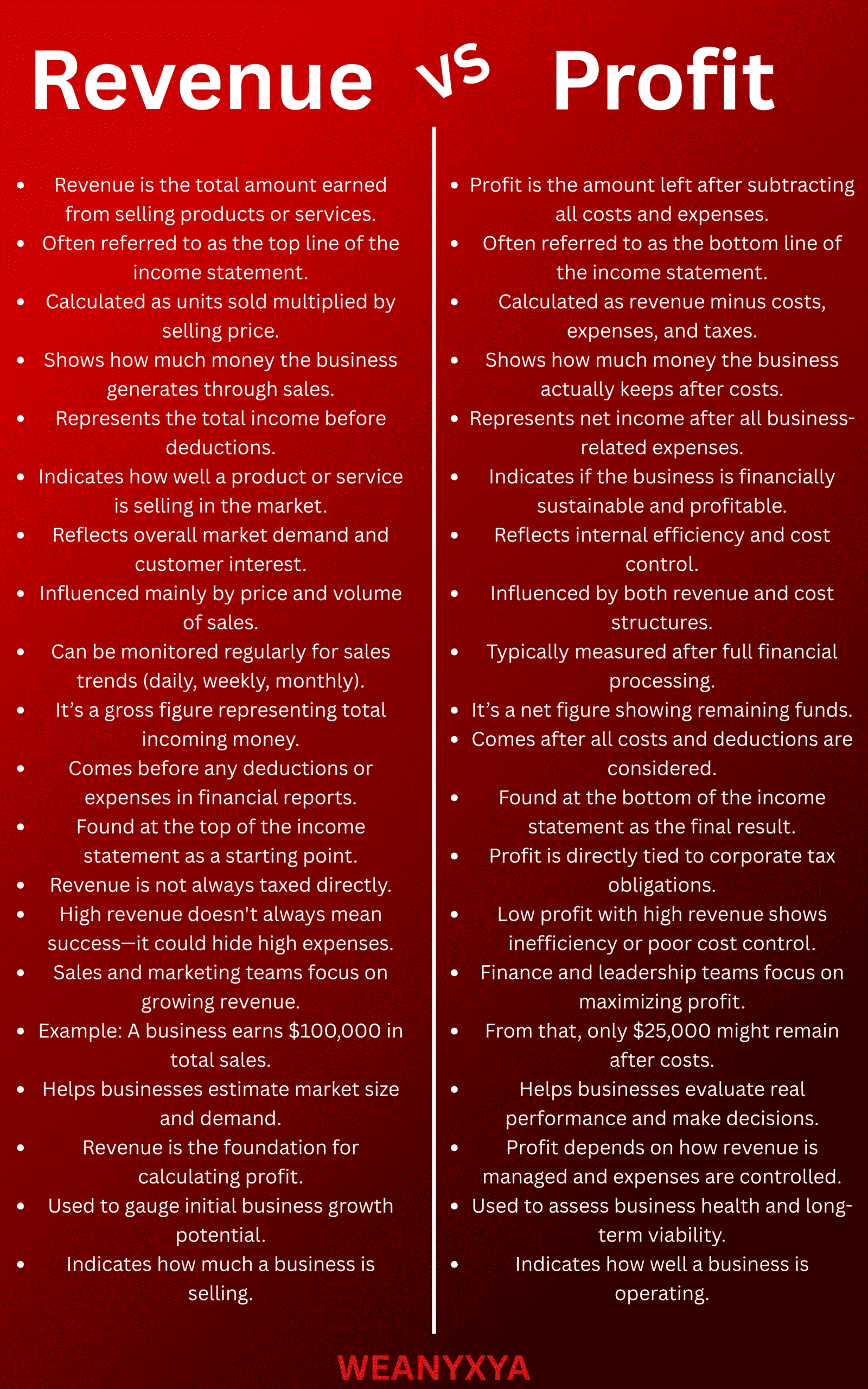
1. Revenue Vs Profit
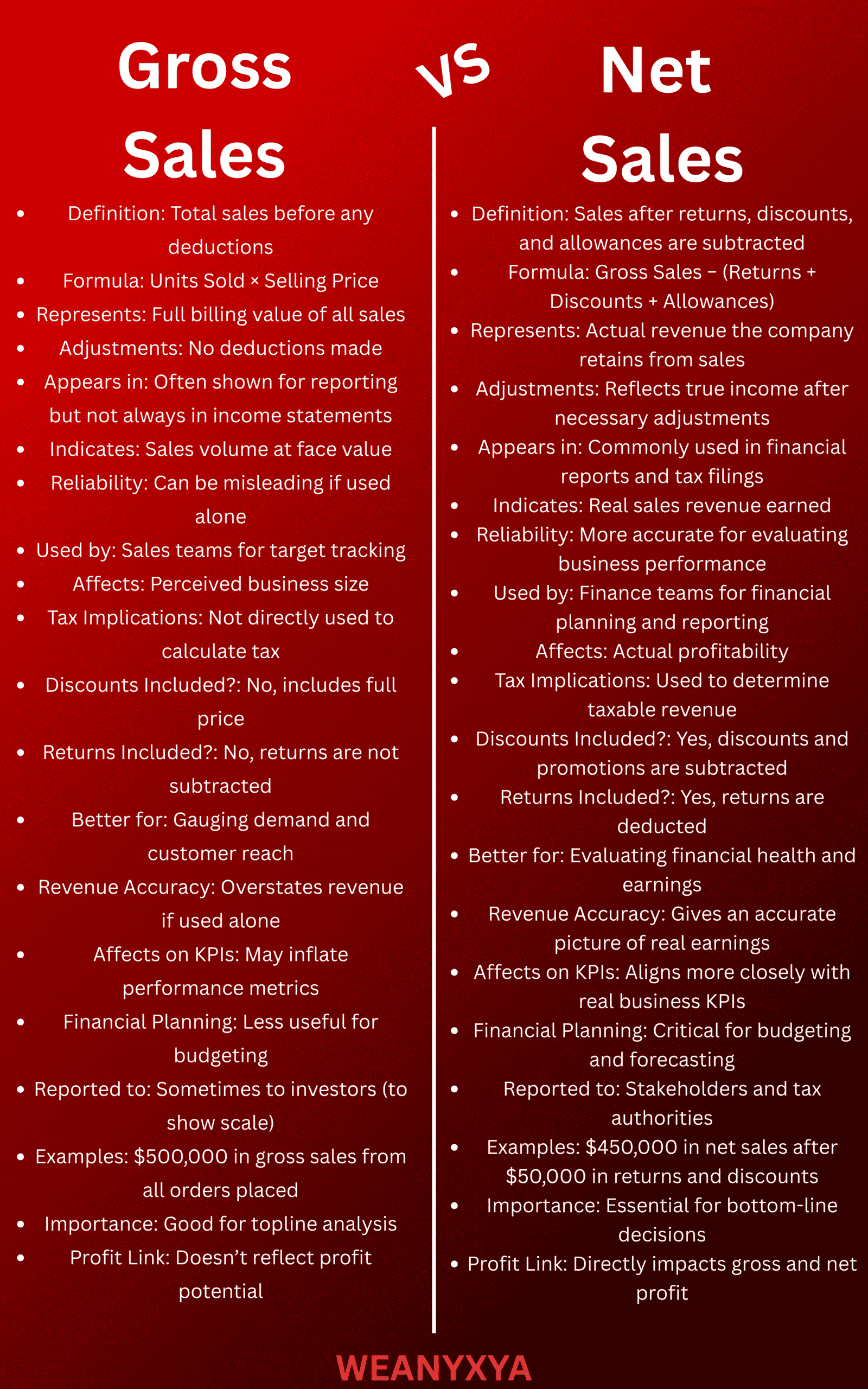
2. Gross Profit Vs Net Sales
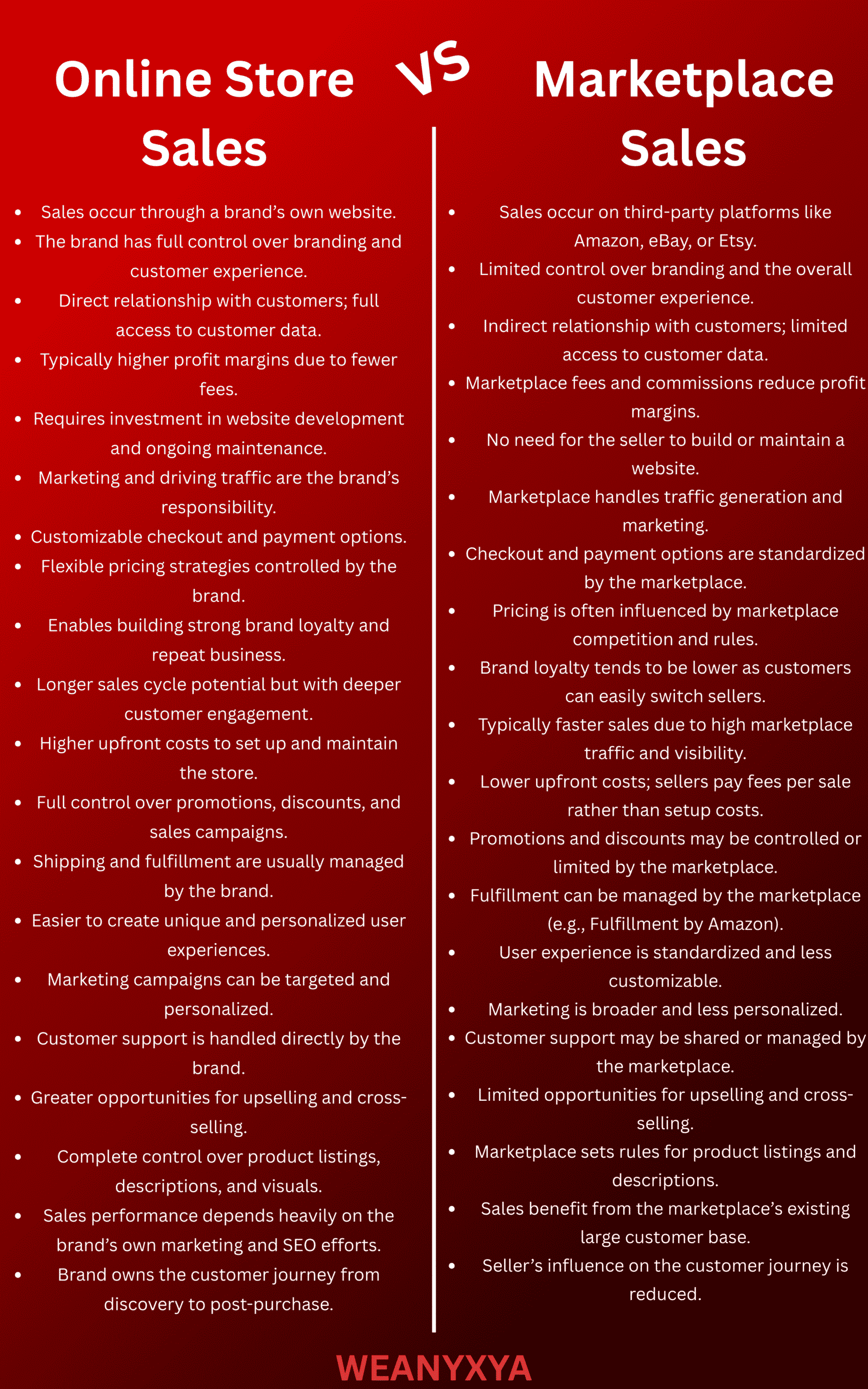
3. Online Store Sales Vs Marketplace Sales
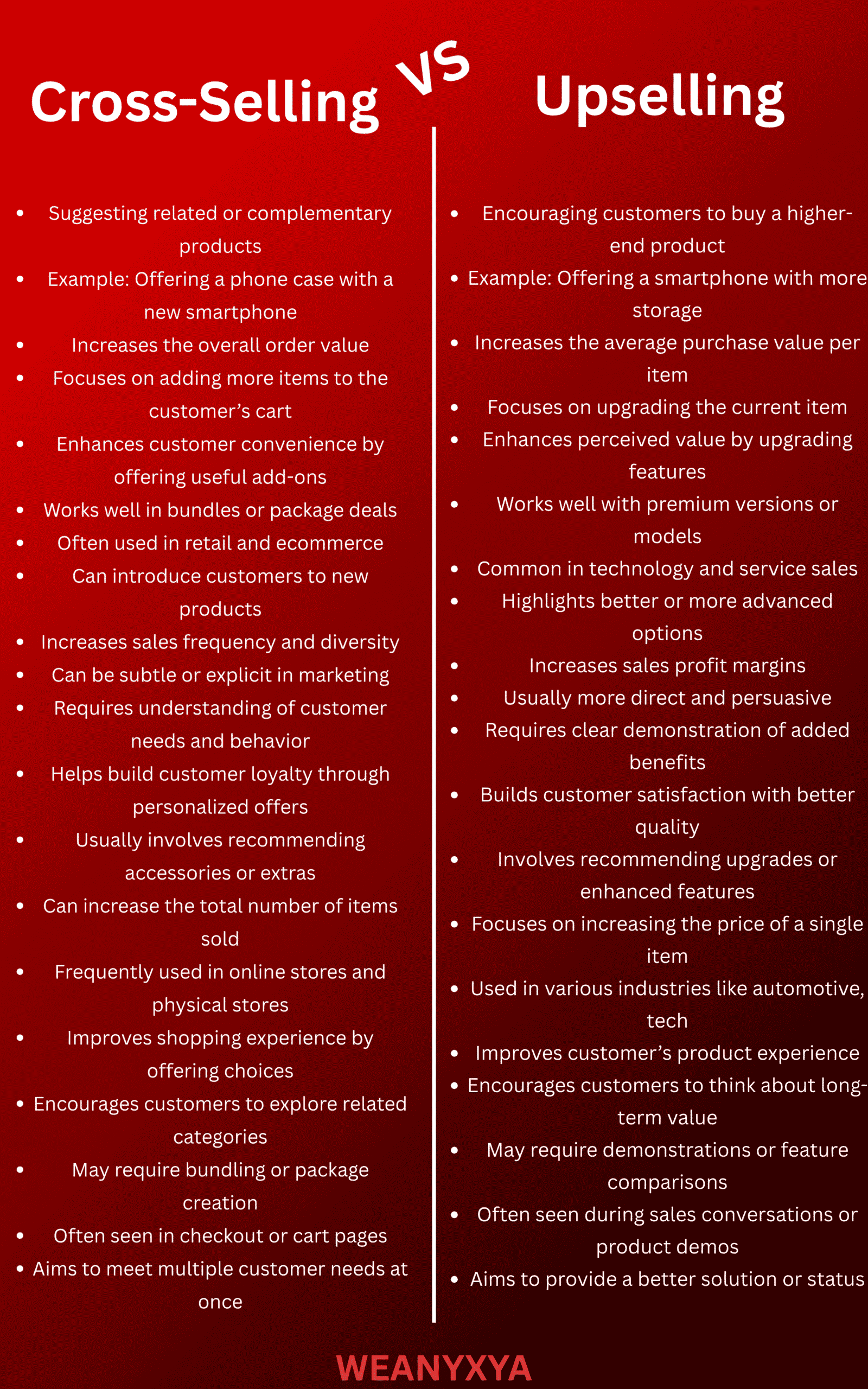
4. Cross Selling Vs Upselling
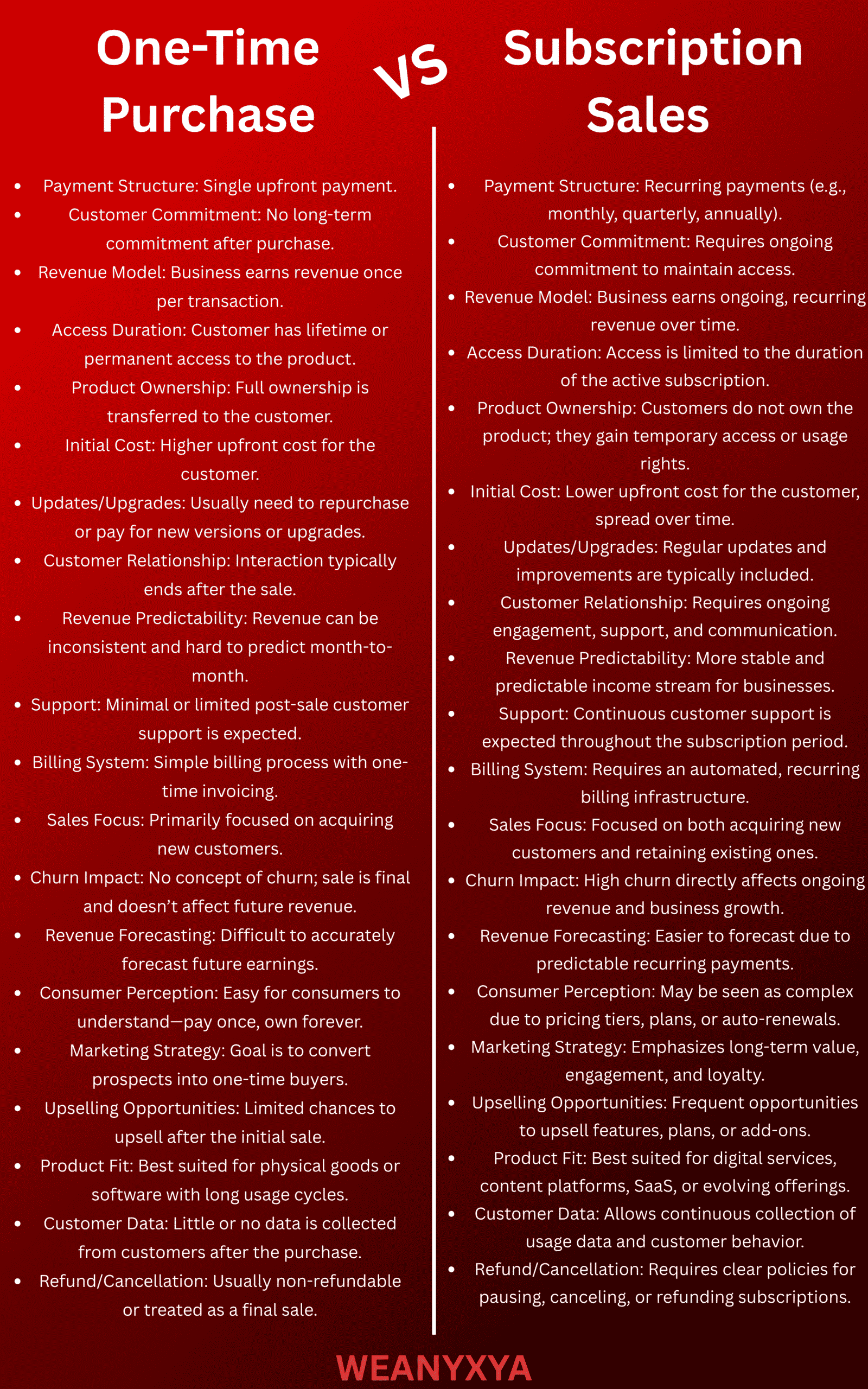
5. One Time Purchase Vs Subscription Sales
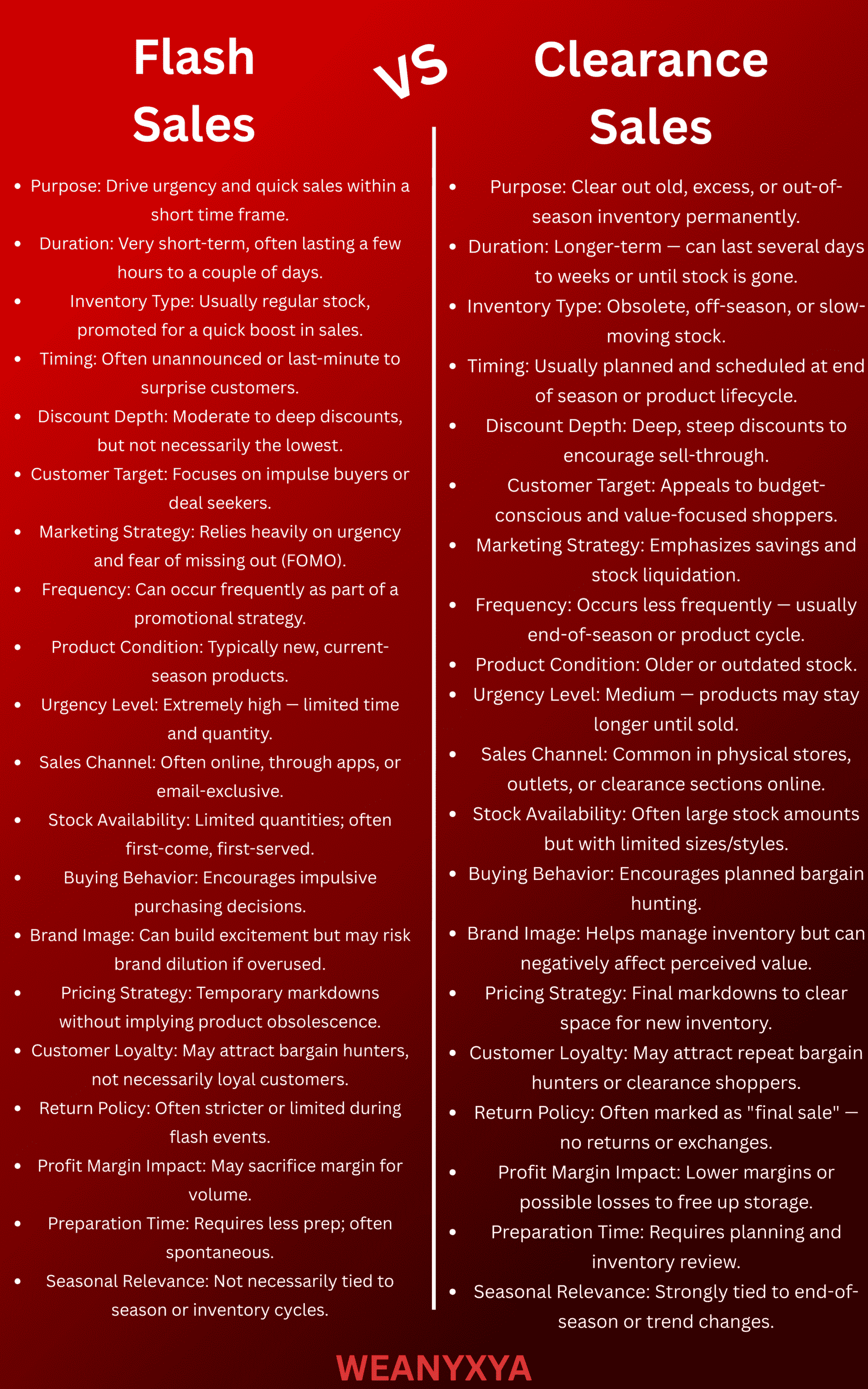
6. Flash Sales Vs Clearance Sales
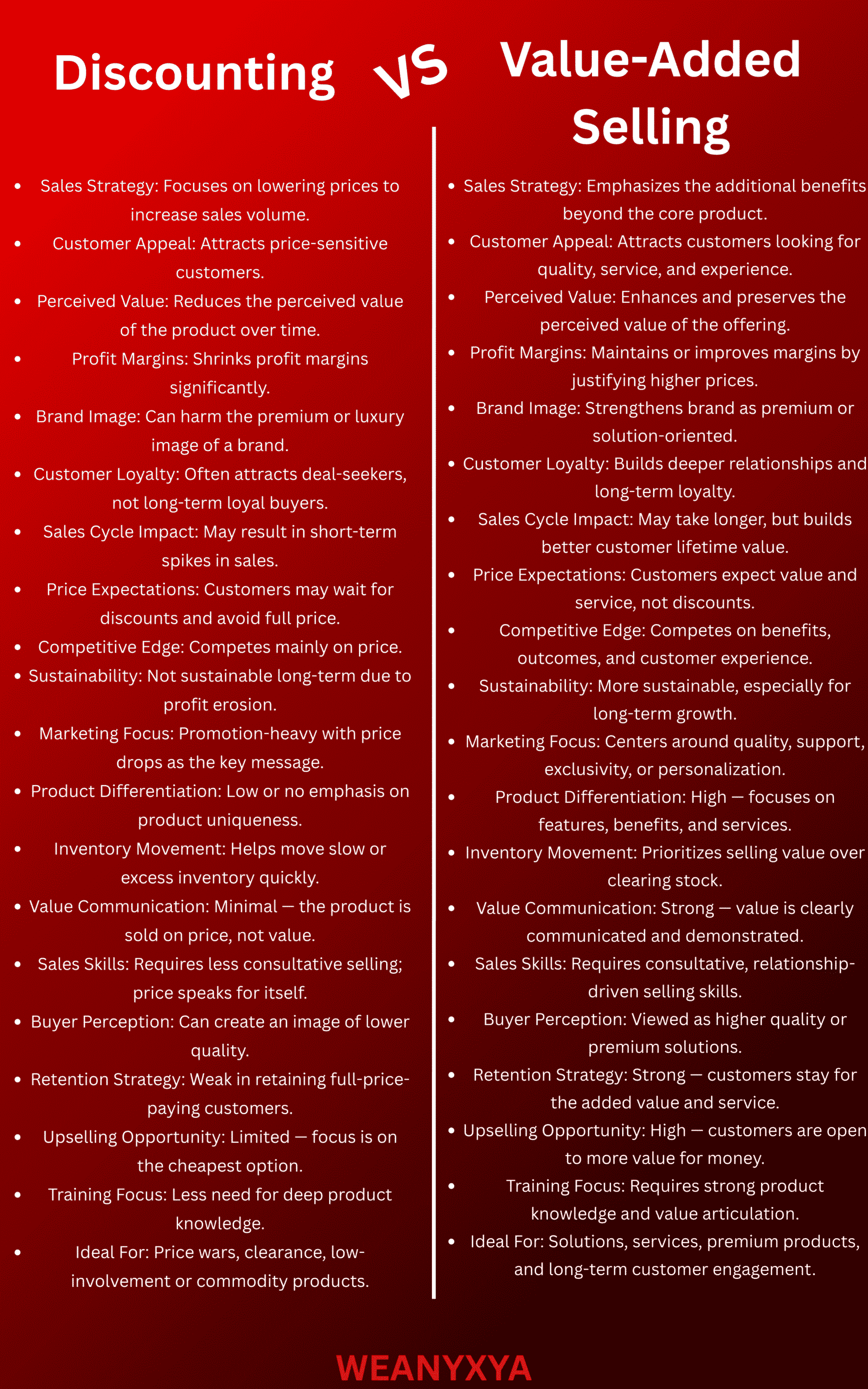
7. Discounting Vs Value Added Selling
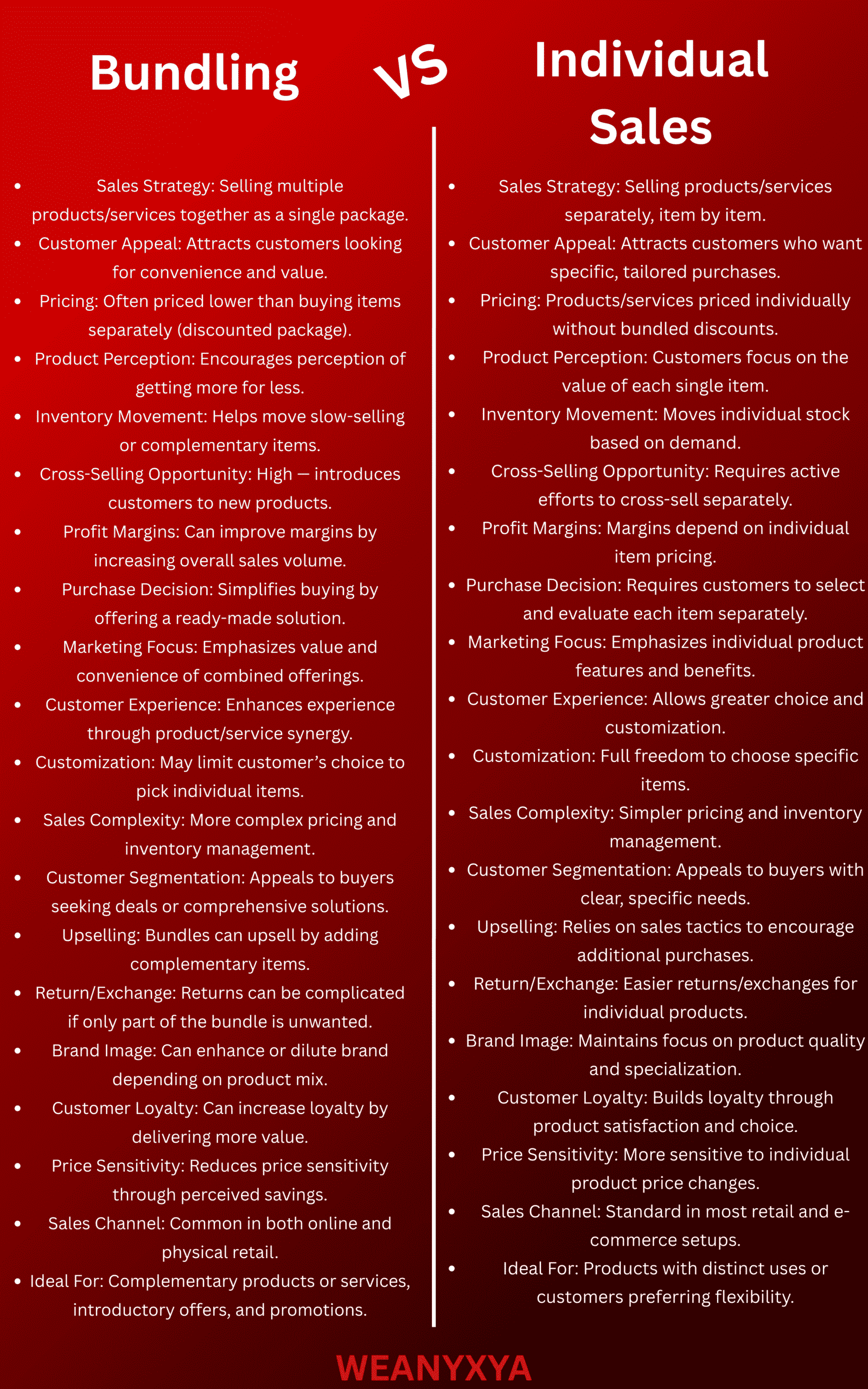
8. Bundling Vs Individual Sales
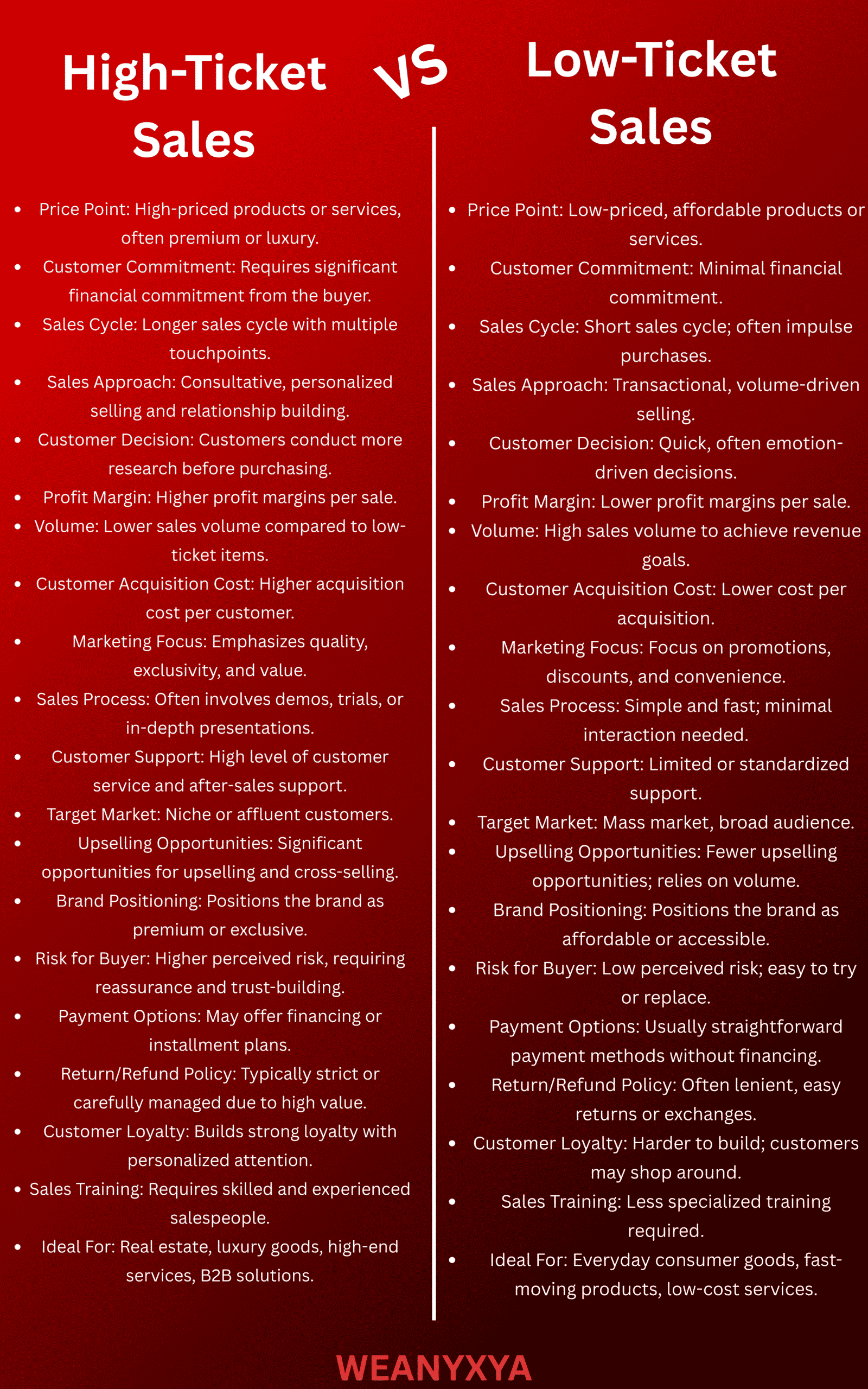
9. High Ticket Sales Vs Low Ticket Sales
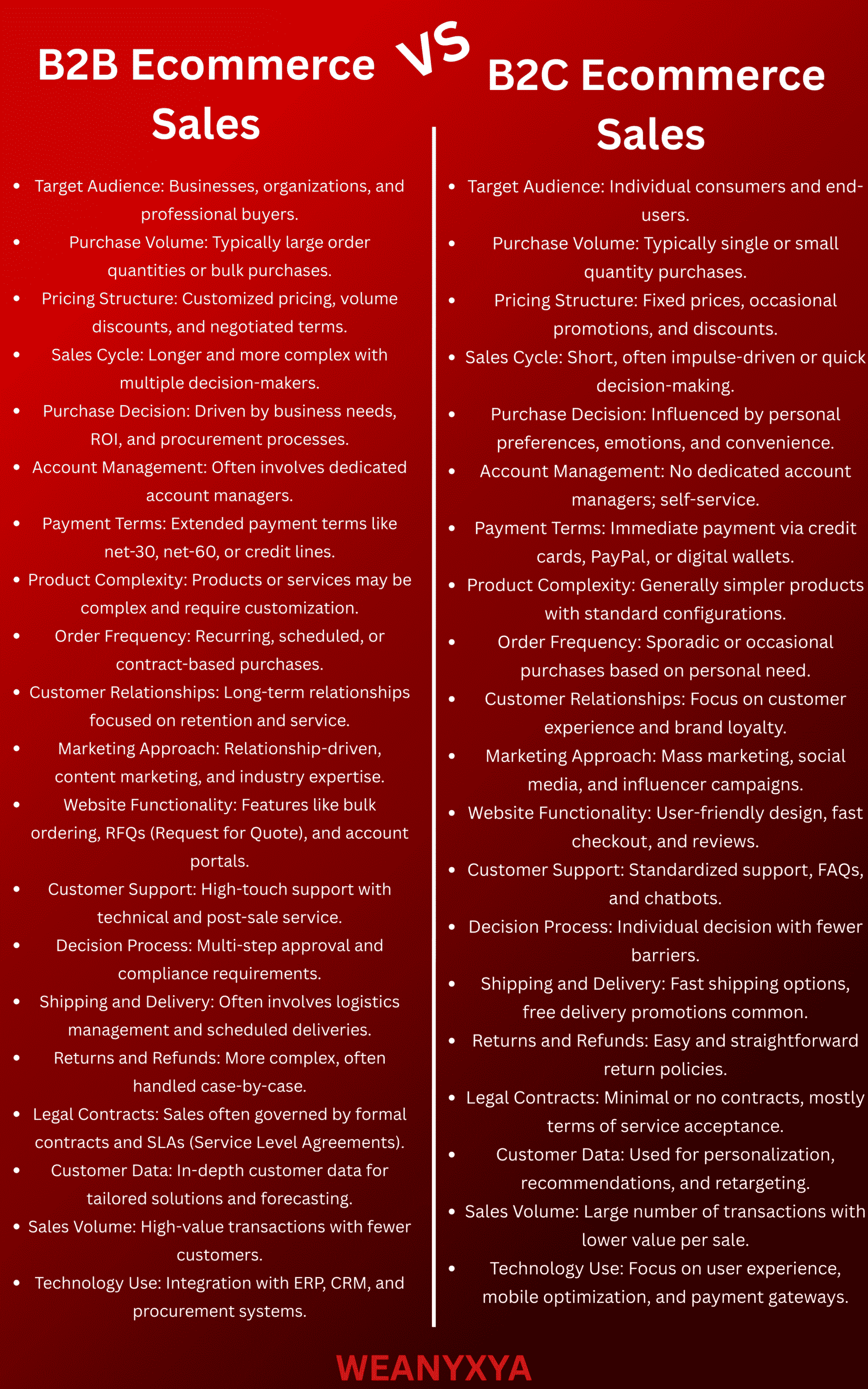
10. B2B Ecommerce Sales Vs B2C Ecommerce Sales