

When you start exploring different types of flash sale strategies, it’s easy to think it’s just about dropping prices or urging people to buy fast — but that’s only the surface. The core advantage of flash sales lies in how smartly they’re designed. Each type has its own purpose and psychological flow.
When you begin to plan your own, think of it like a series of short experiments. Every flash sale gives you a chance to learn. You’ll notice how even small tweaks — like changing “Ends Soon” to “Few Hours Left” — can shift behavior.
Gradually, you’ll see that types of flash sale strategies are not just about quick profit; they also build brand value and customer expectation.
Table of Contents
Meaning of Types of Flash Sales Strategies
“Types of Flash Sales Strategies” refers to the different methods and approaches businesses use to plan, structure, and execute short-term sales events that create urgency and boost quick purchases. These strategies vary in timing, discount style, audience targeting, and presentation — all designed to attract attention and drive fast conversions. Understanding these different types helps businesses choose the most effective approach to match their goals, product range, and customer behavior.
Find all the types in the following.
Types of Flash Sales Strategies That Make Customers Hit “Buy Now” Instantly
Some flash sales make people drop everything and buy — others fade away unnoticed. The difference is it’s precision. Flash sales are high-voltage moments in eCommerce where attention, emotion, and urgency collide.
Every brand faces one challenge to transform hesitation into instant action. That’s what a strong flash sale does. It’s about designing urgency so well that customers they feel drawn in.

People don’t buy just because something’s inexpensive; they buy because a strategic flash sale plays with all three — sparking curiosity (“What if I miss this?”), excitement (“I want it now”), and satisfaction (“I got the deal first”).
Most beginners overlook this — not all flash sales work the same way. Some thrive on surprise, others on exclusivity or perfect timing. Knowing which one fits your audience can completely change your results.
If your flash sales aren’t clicking, this is where you begin. Understanding the types of flash sale strategies that make customers hit “Buy Now” instantly helps you move from uncertainty to creating intention.
Because when you stop treating flash sales as price drops and start treating them as emotional design — every click starts to make sense.
1. Time-Based Types of Flash Sales Strategies
- 1-hour lightning sale
- 3-hour power sale
- 24-hour deal blitz
- Midnight madness sale
- Lunchtime flash sale
- Weekend-only flash sale
- Early-bird morning sale
- After-dark exclusive sale
- Happy hour discount
- Countdown-to-midnight sale
2. Quantity-Based Types of Flash Sales Strategies
- First 100 customers only
- Limited 50-item drop
- “Until sold out” sale
- Buy before stock hits zero
- “Only 10 left” urgency campaign
- Flash bundles with limited units
- Exclusive colorway with 20 units
- Limited-edition drops
- Mystery box with fixed stock
- VIP restock with limited access
3. Discount-Style Types of Flash Sales Strategies
- Flat 50% off sitewide
- Tiered discounts (buy more, save more)
- Buy one, get one free (BOGO)
- Progressive discount (price rises every hour)
- Price drops every minute
- Spin-the-wheel flash discount
- Secret coupon code release
- Mystery discount (10–70% off revealed at checkout)
- Randomized pricing for selected items
- Buy X, get Y for $1
4. Countdown & Urgency-Based Types of Flash Sales Strategies
- Real-time countdown timers
- Flash deal of the hour
- “Next deal unlocks in…” event
- “Last chance” timed banners
- Expiring cart discounts
- Auto-expiring coupons
- Limited-time add-to-cart offer
- Hidden deals revealed as timer ticks
- Fastest finger first (deal ends when first 100 buy)
- “Every minute counts” promotion
5. Customer-Segment Flash Types of Flash Sales Strategies
- VIP member-only flash sale
- Newsletter subscriber flash sale
- App-only exclusive sale
- Student flash discount
- Loyalty tier-based sale
- First-time buyer flash deal
- Returning-customer-only sale
- Referral-only sale
- Influencer fan flash event
- Location-based flash sale
6. Thematic or Seasonal Flash Types of Flash Sales Strategies
- Black Friday lightning sale
- Cyber Monday flash rounds
- Valentine’s Day 2-hour sale
- Summer clearance blitz
- Winter warm-up deals
- Holiday mystery hour sale
- New Year countdown sale
- Back-to-school quick sale
- Earth Day eco-product flash sale
- Anniversary celebration flash event
7. Psychological / Gamified Types of Flash Sales Strategies
- Treasure hunt flash deals (hidden on site)
- Scratch-to-reveal sale
- Secret password unlock sale
- “Beat the clock” checkout challenge
- Daily challenge unlocks discount
- “Buy within 5 minutes for bonus”
- Spin-to-win flash discount
- Price guessing game
- Referral race flash sale
- Lucky draw flash event
8. Platform-Specific Flash Types of Flash Sales Strategies
- Instagram story-exclusive flash sale
- TikTok live shopping flash deal
- Email-only link flash event
- SMS text alert flash sale
- Facebook group exclusive sale
- YouTube livestream drop
- Mobile app push-notification flash
- WhatsApp broadcast sale
- Discord community flash deal
- Influencer co-hosted flash sale
9. Bundle & Cross-Sell Types of Flash Sales Strategies
- Bundle-and-save 2-hour sale
- “Add-on” product flash pricing
- Category combo flash sale
- Buy main item, accessory 70% off
- Surprise bundle flash sale
- Mix & match limited combo
- Cross-category flash discount
- Subscription upgrade flash offer
- Pairing deals (e.g., shoes + socks)
- Complete-the-set flash discount
10. Loyalty, Reward & Referral Types of Flash Sales Strategies
- Reward points multiplier flash
- Referral-only flash savings
- VIP sneak peek pre-sale
- Flash sale for top spenders
- Birthday flash surprise
- Redeem rewards double value day
- Secret sale for repeat buyers
- Early-access window for loyal customers
- Refer-a-friend unlock sale
- Gamified loyalty streak flash event
When Should Your Business Launch a Flash Sale?
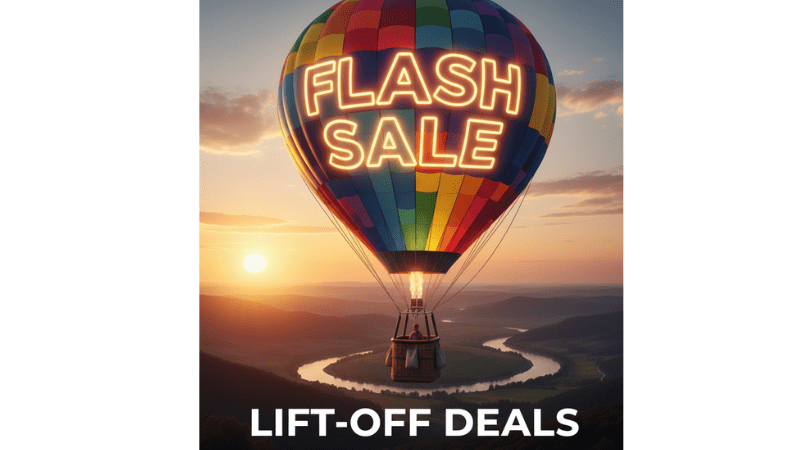
Timing is everything when it comes to creating excitement and driving action in your business. You’ll notice that the moments you choose to offer something special can completely change how people respond. There’s an art to reading your audience, understanding their behavior, and spotting opportunities that feel urgent but not forced. Launching at the right moment can turn curiosity into engagement, and engagement into loyalty. You’ll see that a well-timed promotion is able to boost short-term sales — for shaping perception, creating anticipation, and building meaningful connections with your customers.
- Clearing out excess inventory at the end of a season to make room for new products.
- Launching a new product to generate excitement and drive initial sales.
- Giving a boost to slow-moving items that aren’t selling as quickly as expected.
- Running promotions around holidays or festivals, like Black Friday or Diwali.
- Celebrating company milestones with special anniversary sales.
- Introducing limited-edition products to gauge customer interest.
- Responding to competitors’ discounts to maintain your market share.
- Rewarding loyal customers with exclusive, members-only flash sales.
- Creating a sense of urgency during slow sales periods to increase revenue.
- Promoting products that are nearing their expiration date, especially in food or cosmetics.
- Encouraging customers to buy more through tiered discounts on bulk purchases.
- Attracting new customers with flash sales exclusively on social media.
- Clearing out returned or refurbished items in online marketplaces.
- Promoting services during off-peak times, such as spa sessions, gym memberships, or travel bookings.
- Driving app downloads or sign-ups with limited-time flash sale coupons.
- Launching a seasonal collection to capture immediate attention.
- Testing how customers respond to new pricing strategies.
- Engaging email subscribers with special limited-time offers.
- Announcing “mystery deals” to boost website traffic and excitement.
- Increasing revenue at the end of a financial quarter to meet sales targets.
Closing Remarks
Looking back at your experience with different types of flash sale strategies, you begin to see the potential these short, intense campaigns hold when handled thoughtfully. Each strategy offers a unique way to spark quick action while keeping the experience meaningful. When you approach these strategies wisely, you’re building stronger relationships and creating memorable experiences.
FAQs on Types of Flash Sales Strategies
1. What Are the Different Types of Flash Sales Strategies You Can Use?
There are several approaches you can try, depending on your goals and audience. You could run time-limited sales, where deals are only available for a few hours or a day. Quantity-based sales create urgency by offering discounts to the first few buyers. Discount-driven strategies focus on percentage off or bundle deals. You might also explore exclusive or VIP sales targeted at loyal customers or special segments. Some businesses even gamify sales with mystery discounts or limited-access offers. Each type offers its own way to encourage quick purchases.
2. How Do You Choose the Right Type of Flash Sale for Your Store?
Start by thinking about your goals: Do you want to clear inventory, attract new customers, or reward loyal ones? If your goal is urgency and quick sales, short time-based or limited-quantity strategies will work best. If you want more engagement, gamified or exclusive sales might be a better fit. Consider your audience habits too — what will appeal to them? The key is to match the strategy to your product type, stock availability, and the behavior of your buyers.
3. How Often Should You Run Flash Sales?
It depends on your business and audience. For most beginners, one flash sale per month or every couple of weeks is a good starting point. You don’t want to overdo it, because frequent sales can reduce the perceived value of your products. Begin with a few well-planned sales, observe how your audience responds, and adjust frequency accordingly. Over time, you’ll get a feel for what works best for your store.
4. Do Flash Sales Really Increase Sales, Or Just Attract Bargain Hunters?
Both can happen. Flash sales are great for boosting revenue quickly and creating excitement around your brand. Some buyers will be bargain hunters, but others may become loyal customers if they like your product and the experience you provide. The trick is to use flash sales strategically — pair them with email campaigns, social media announcements, and limited offers to attract the right customers, not just anyone looking for a discount.
5. Are There Risks You Should Be Aware of When Running Flash Sales?
Yes, there are a few. Running too many sales can damage your brand’s perceived value. You may also run into inventory issues if you underestimate demand, or see website crashes if traffic spikes unexpectedly. Another risk is attracting customers who only buy during sales and never at full price. To reduce these risks, plan carefully, promote responsibly, and analyze each sale’s performance to improve the next one.
Read Them Before You Make Your Next Decision
- Best Timing Ideas for Flash Sales to Double Your Revenue With 100 Genius Ways
- 100 Emotional Triggers That Make Early Access Sales Strategies Work So Well
- What Is Free Shipping Offer Time? When to Offer Free Shipping?
- 100 Ways +Pro Tips to Craft Scarcity Marketing Strategies That Feel Real — Not Forced
- Exit-Intent Popups Use to Make the Strategy Successful for Business Goals
- Apply Powerful 100 Abandoned Cart Recovery Strategies in Business
